
location
Location
Features of Kita City
Known as a “city of culture and industry,” its location near some of Japan’s top academic institutions, such as the University of Tokyo and Tokyo University of the Arts, attracted many cultural figures and researchers. In those days, the atmosphere was almost like Japan’s Greenwich Village!
For example, Ryunosuke Akutagawa, the writer whose name inspired one of Japan’s most famous literary awards, spent much of his life in Kita City. Naoki Sanjugo, the namesake of another major literary prize, also lived in Tabata during his student years. Records of that era can still be found at the Tabata Memorial Museum of Writers and Artists.
Recommended for Those Who Want to
- Learn more deeply about Japanese culture
- Study in a safe and secure environment
- Enjoy Japan’s four seasons and nature
- Explore contemporary Japanese culture as well
- Participate in the local community
History and Culture of Kita City

Cultural Figures Connected to Kita City
- Ryunosuke Akutagawa (namesake of the Akutagawa Prize)
- Naoki Sanjugo (namesake of the Naoki Prize; lived in Tabata)
- Okakura Tenshin (contributed to the founding of Tokyo University of the Arts)
- Kanae Yamamoto (a pioneer of modern Japanese printmaking)
- Suiho Tagawa (creator of Norakuro and one of the figures who shaped Japan’s manga culture)
- Utagawa Hiroshige (one of Japan’s three great ukiyo-e artists, known for many works featuring Asukayama and Oji)
Featured in Contemporary Works as Well
- Takino-gawa in Kita City is the hometown of Shinobu Kocho, a popular character from Demon Slayer.
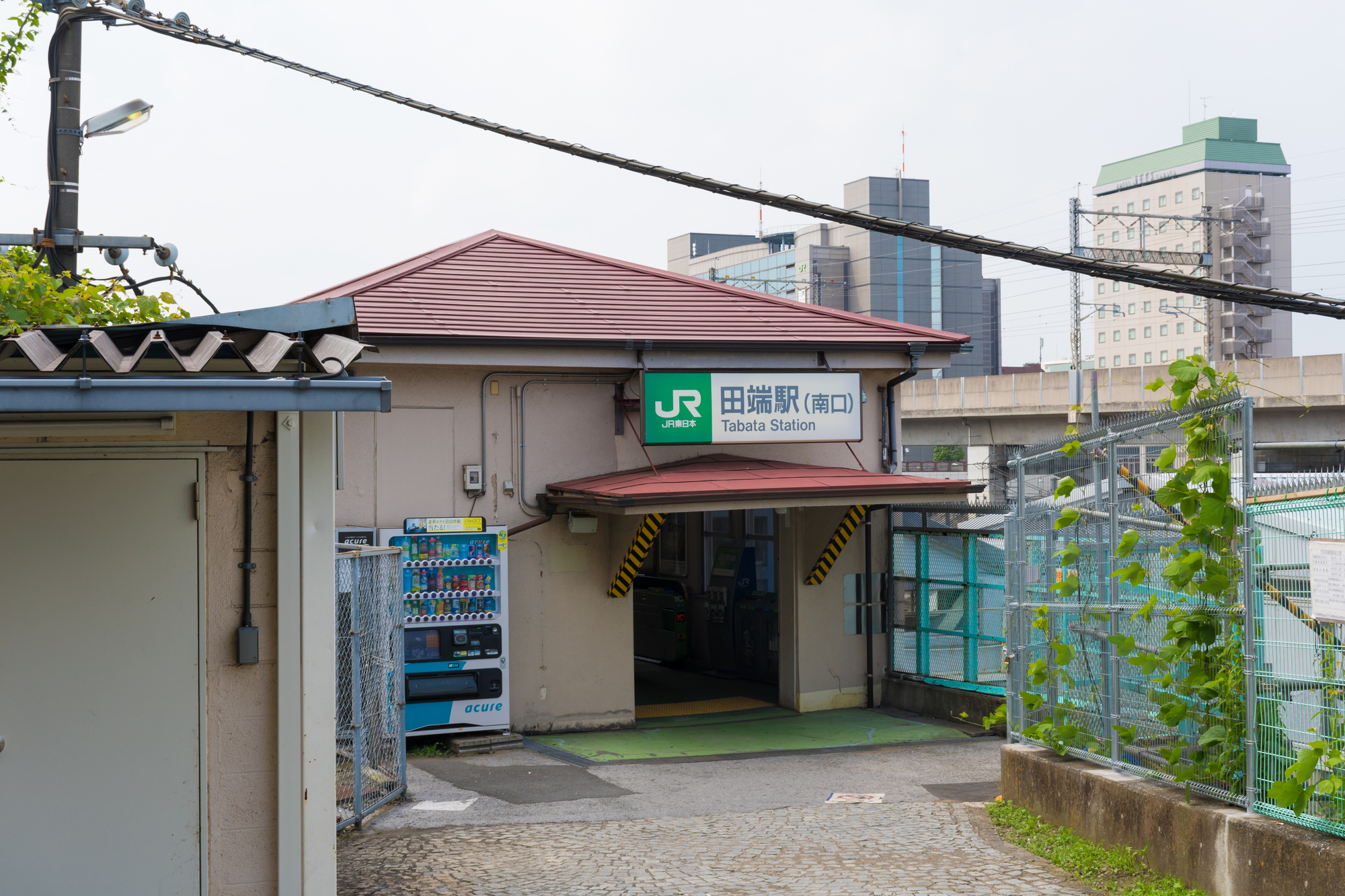
- An important scene from Makoto Shinkai’s Weathering With You is also set in Tabata, Kita City.
From the Edo period to the present day, Kita City has been known as a place closely connected with Japanese culture and the arts.
Its appeal goes beyond culture and the arts alone.
Eiichi Shibusawa, whose portrait has appeared on Japan’s highest-denomination banknote since 2024, also has a deep connection to Kita City.
In recognition of his great contribution to Japan’s industrial development, a memorial museum dedicated to him can be found in Asukayama Park.
A Safe and Secure Living Environment
Tourist and Cultural Spots
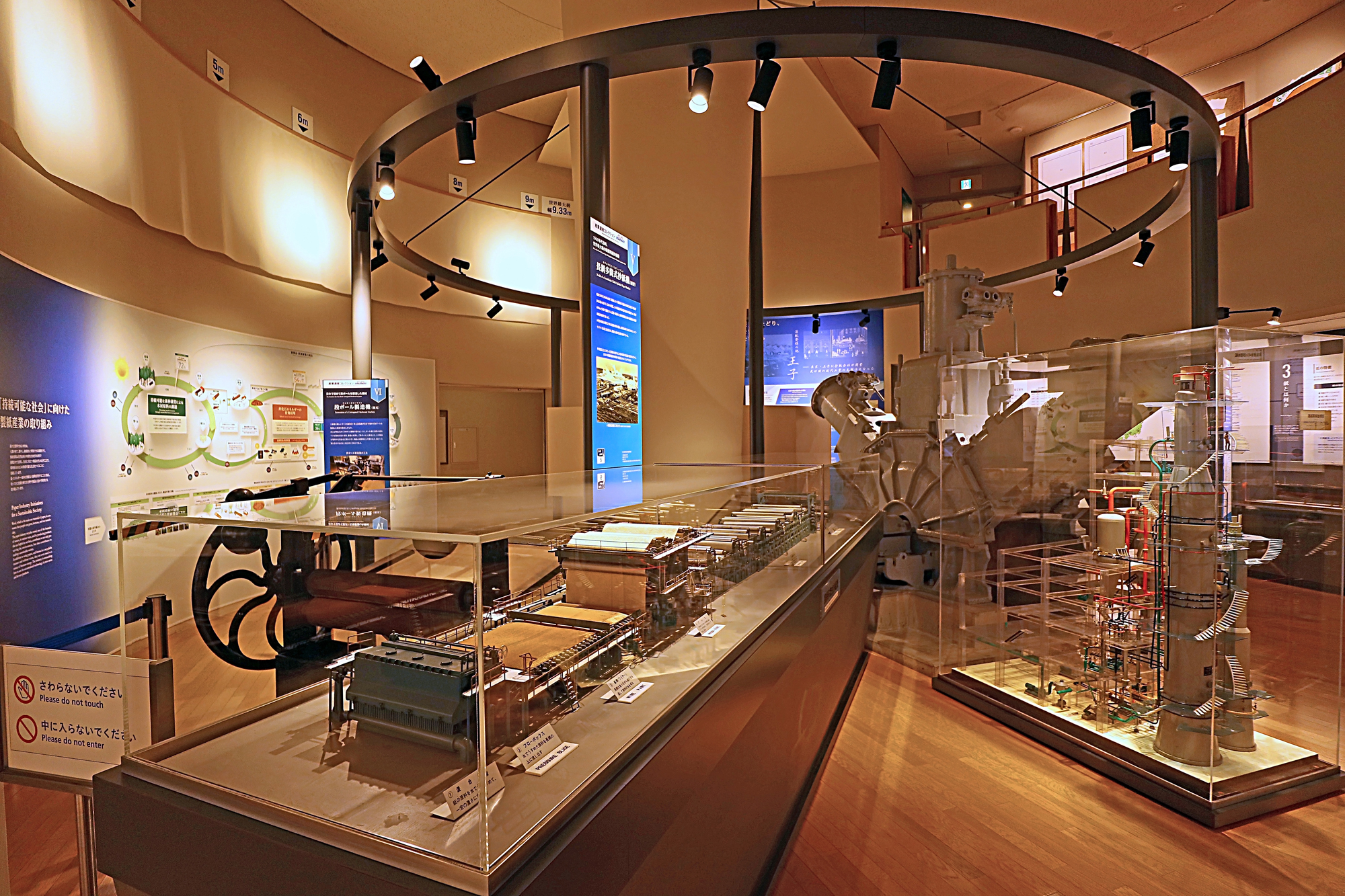
Paper Museum
Oji in Kita City is known as the birthplace of Western-style paper in Japan. The Paper Museum and the National Printing Bureau are among the area’s rare and fascinating attractions, and visitors can tour the facilities.
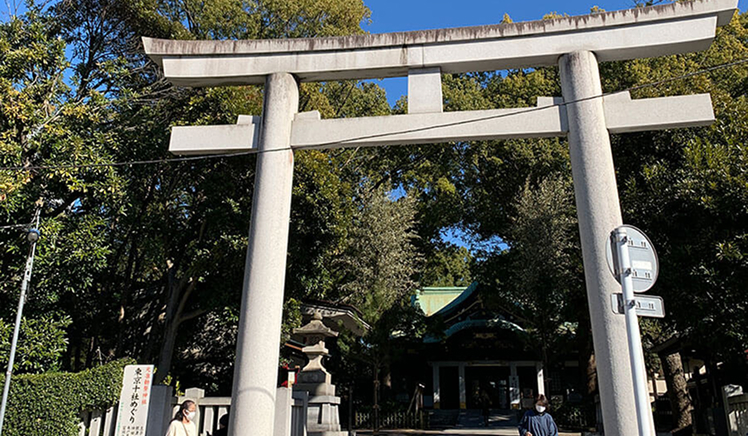
Oji Shrine
Oji Shrine, one of Tokyo’s Ten Shrines, is a historic shrine with a history of more than 1,000 years and is said to be the origin of the name “Oji.”
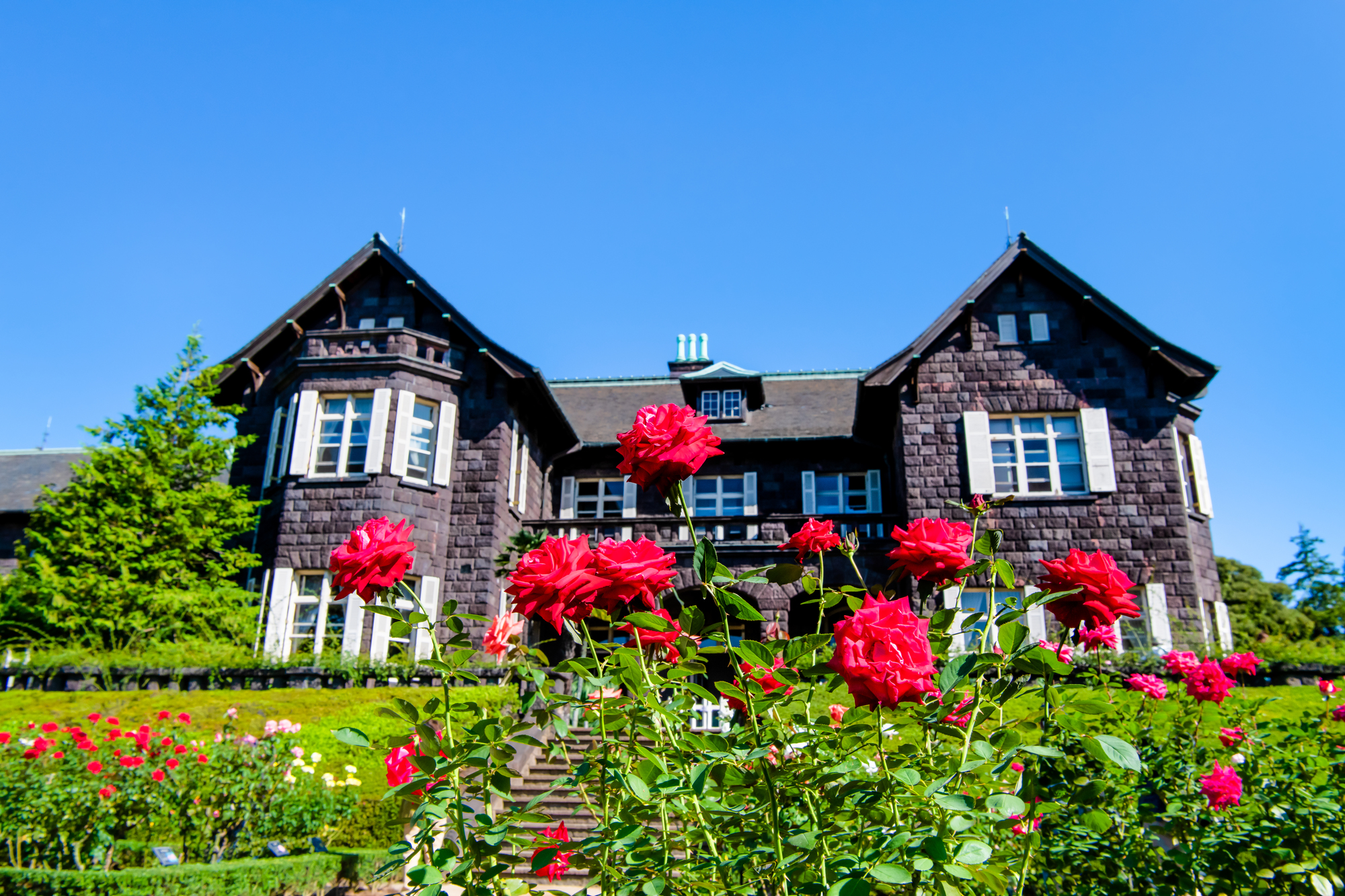
Former Furukawa Gardens
This beautiful destination features both Western-style and Japanese-style gardens and is well worth a visit.
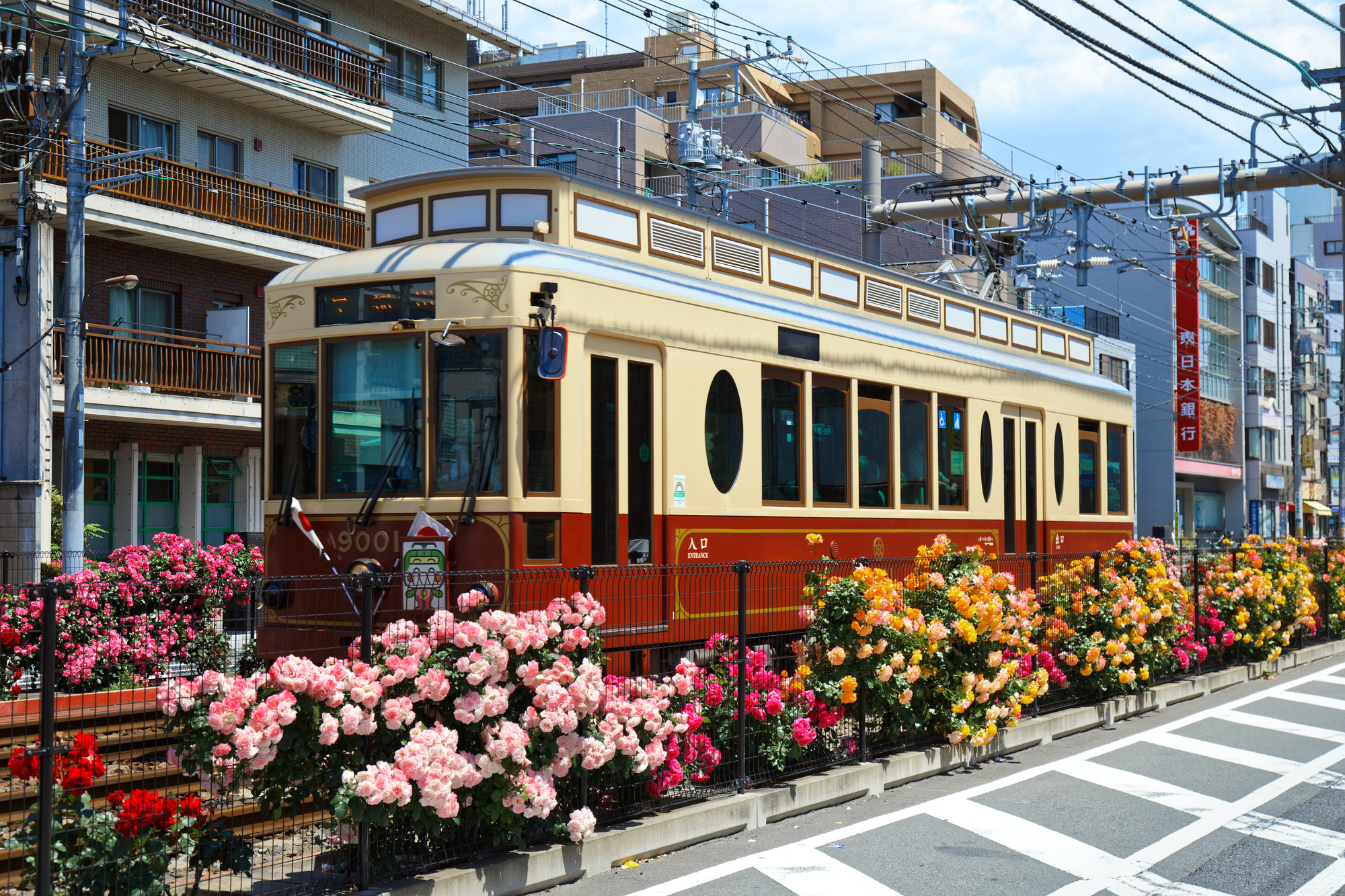
Railway Spot
Kita City is also known for its many great photo spots for railway fans, including the rare Tokyo Sakura Tram (Toden Arakawa Line) and the Shinkansen Rail Yard nearby.
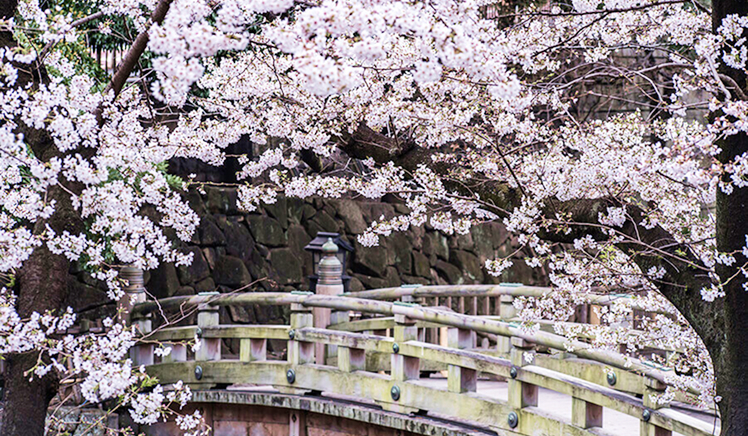
Cherry Blossom Spots
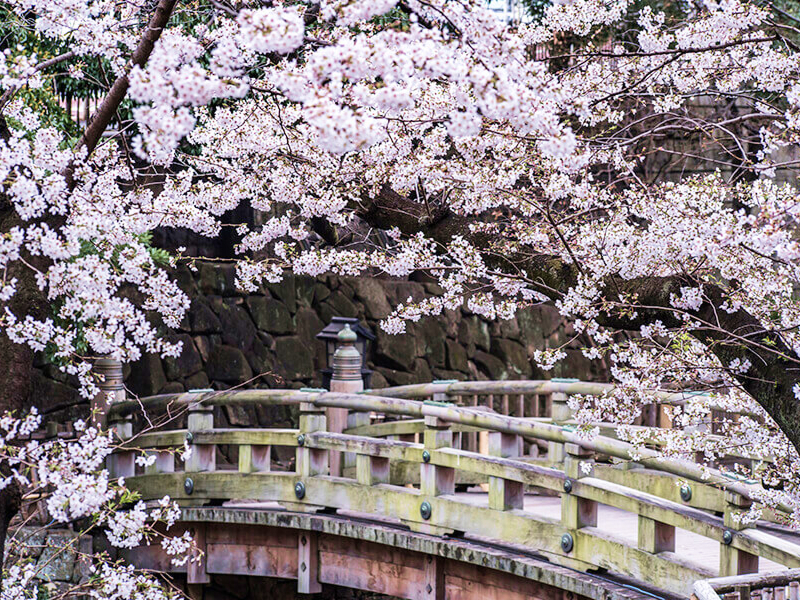
The best time to enjoy the cherry blossoms is from mid-March to early April. There are many beautiful cherry tree-lined spots throughout the area.
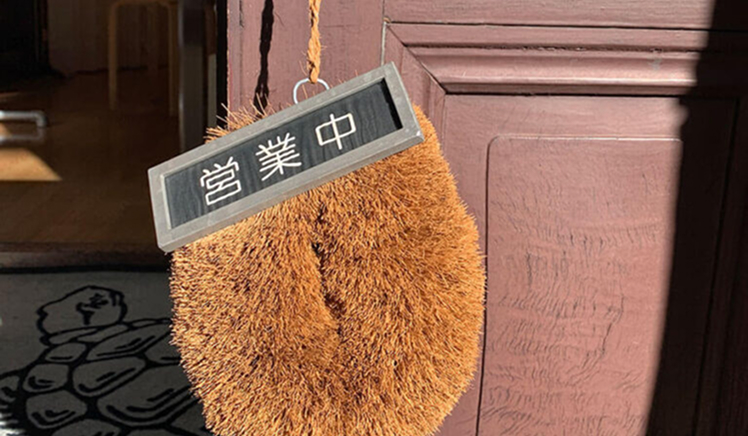
Other Highlights
Tabata Memorial Museum of Writers and Artists
Kishu Shrine
Otonashi Shinsui Park
Brewing Laboratory
Kamenoko Tawashi Nishio Shoten
Tokiwa Sauce
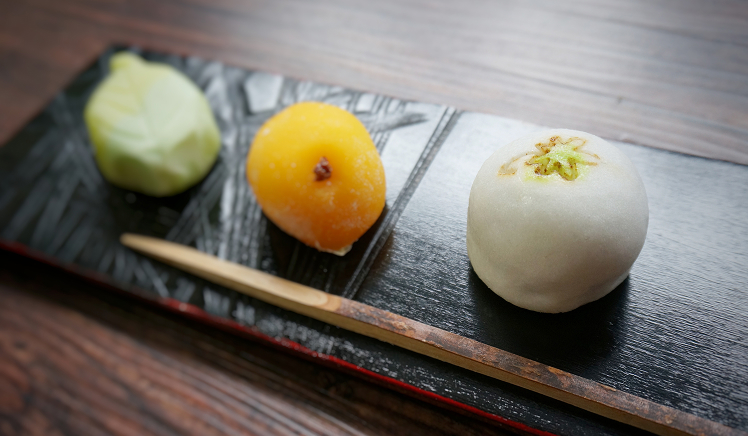
Traditional Flavors
Japanese Sweets Shops
There are many shops in the area that sell traditional Japanese sweets (wagashi).
Community Events and Festivals
Main Events
Kita City has many traditional events, and some of them are open to international students.
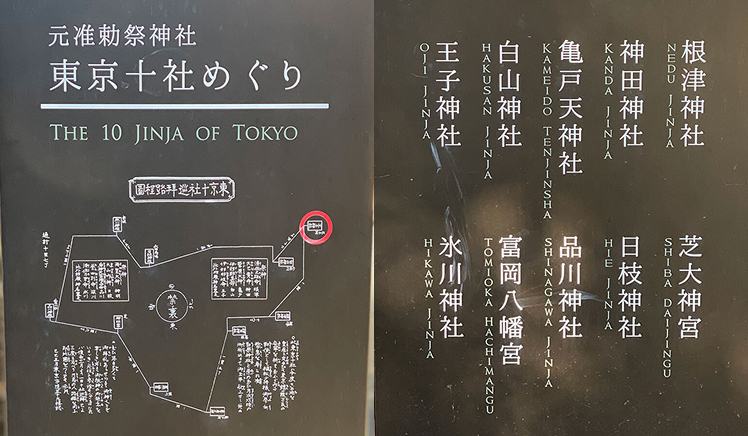
Tokyo Ten Shrines Pilgrimage
(Oji Shrine is one of the Ten Shrines.)
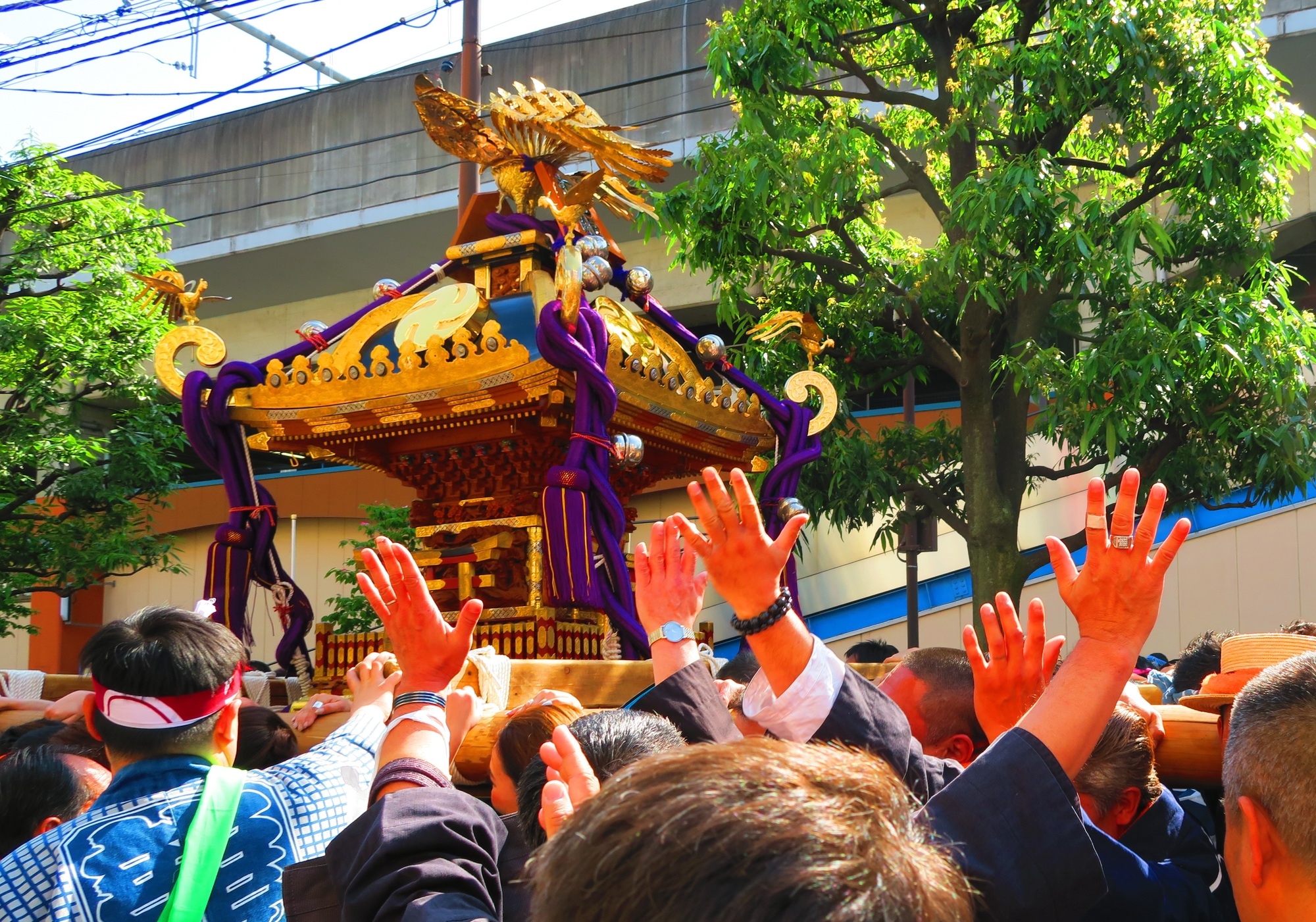
Seasonal Festivals
(Traditional events held at local shrines.)
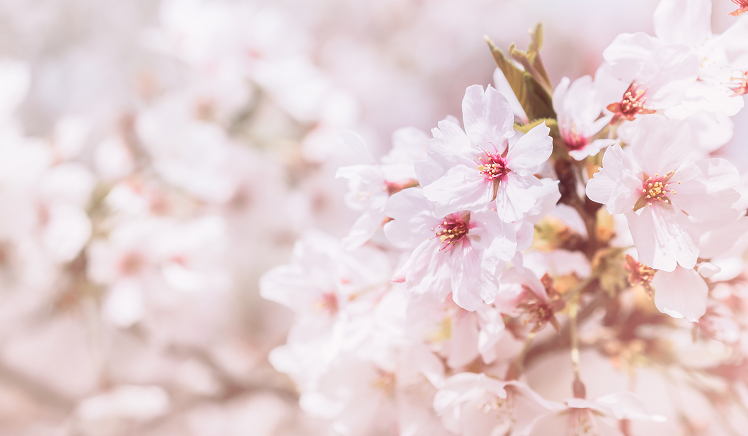
Cherry Blossom Festival
(During the spring cherry blossom season)
Climate and the Four Seasons in Kita City
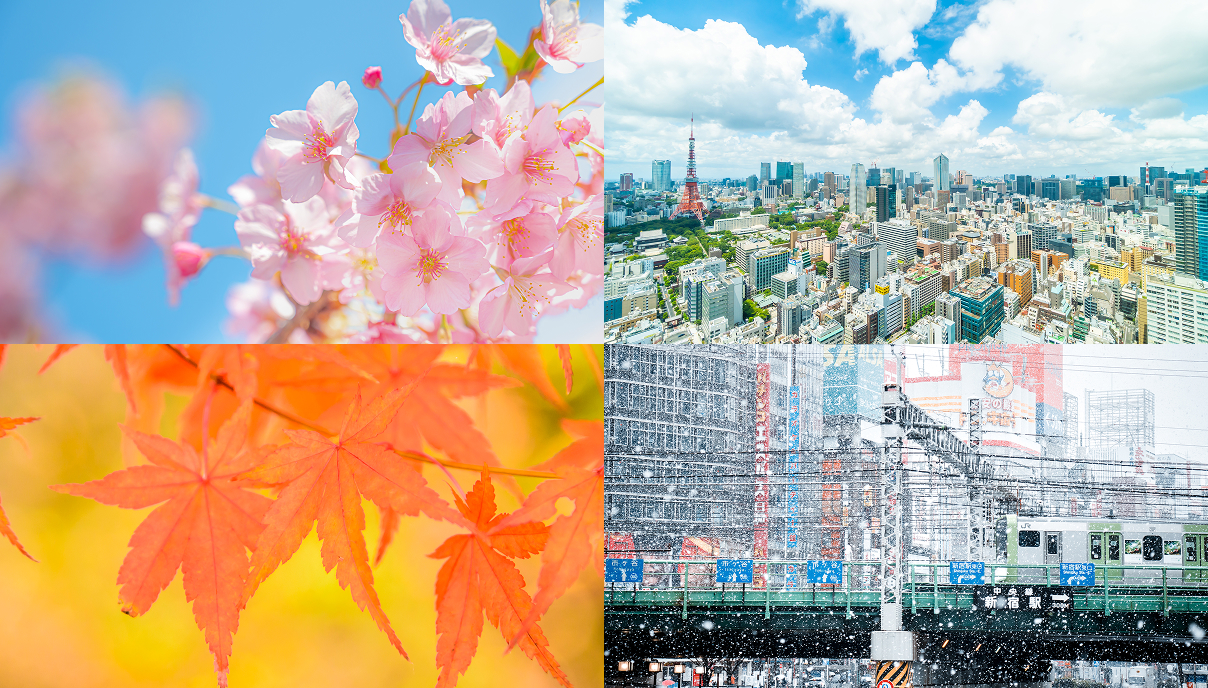
Kita City, Tokyo, has a typical Pacific-side climate of eastern Japan, with hot and rainy summers and cold, dry winters. Because of the clear differences in temperature throughout the year, you can fully experience the changing seasons.
● Average annual temperature: approximately 16–17°C
● Lowest annual temperature: around -4°C (around January)
● Highest annual temperature: 38–39°C (around July to August)
*Climate data may vary, so please check the Japan Meteorological Agency website for the latest information.